
Discover the best school readiness activities for kids that build confidence, literacy, and social skills — simple ideas parents can start at home today.
school readiness activities
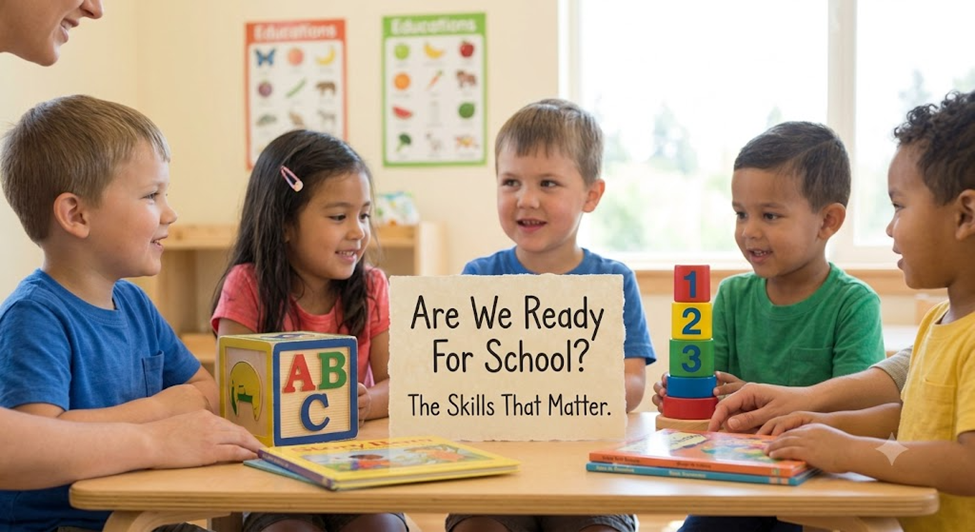
Is your little one about to start school? That mixture of excitement and worry is completely normal for both of you. The good news? You don’t need a fancy curriculum or expensive programs to prepare your child. The best school readiness activities for kids happen naturally, right at home, woven into everyday routines.
This guide covers everything you need to know from social skills to pencil grip so your child walks through those school doors feeling confident and ready.
What Does School Readiness Really Mean for Kids?
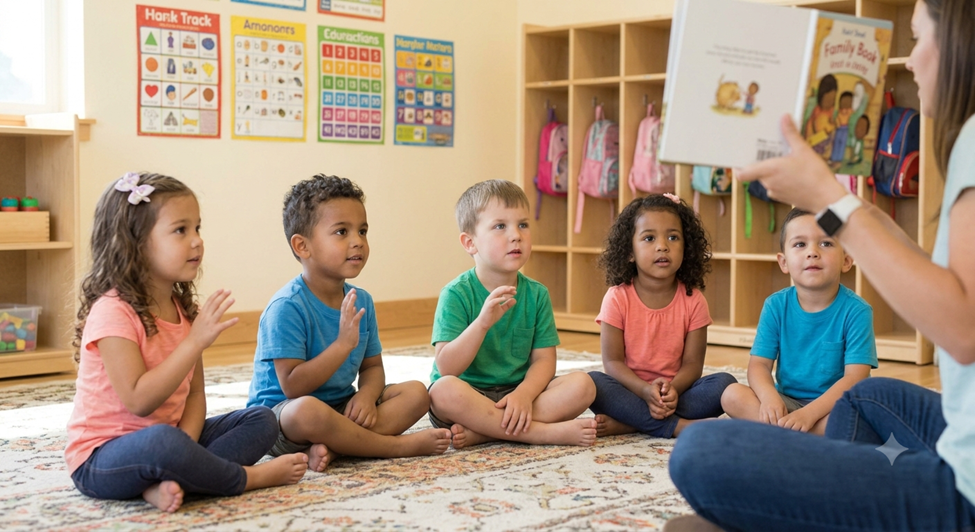
School readiness isn’t just about knowing the alphabet or counting to 20. It’s a combination of skills that help a child function successfully in a classroom setting.
According to early childhood educators, a school-ready child can:
- Follow simple instructions without needing constant reminders
- Separate from parents without extreme distress
- Take turns and share with other children
- Communicate basic needs — like asking to use the bathroom
- Sit and focus for short periods of time
- Hold a pencil or crayon with reasonable control
These skills don’t develop overnight. They’re built gradually through intentional play, conversation, and daily routines. Let’s get into the activities that actually work.
Fun Literacy-Based School Readiness Activities for Kids
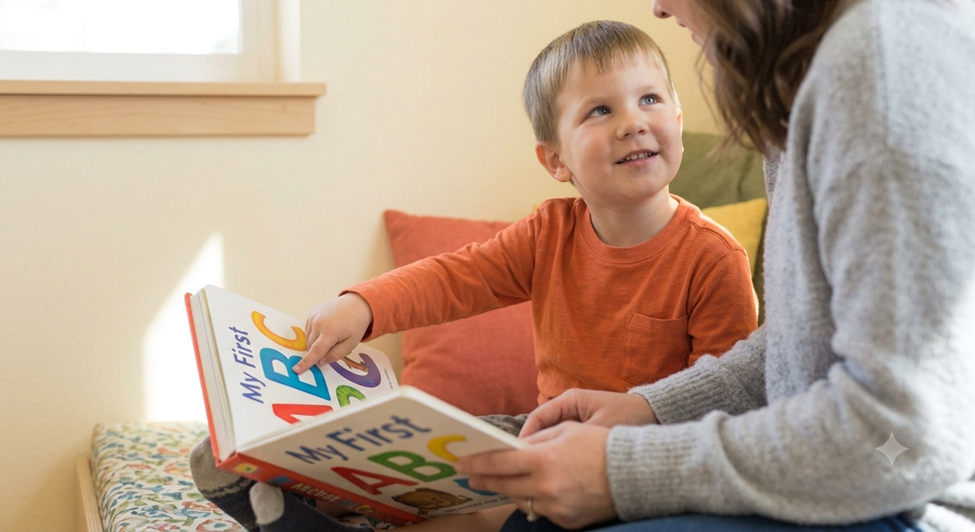
Reading readiness is one of the most talked-about areas of school preparation — and for good reason. Children who enter kindergarten with strong language and literacy foundations tend to thrive academically.
But here’s the thing: literacy doesn’t start with worksheets. It starts with stories, songs, and conversations.
Activities that build early literacy skills: https://meblogger.com/resources/
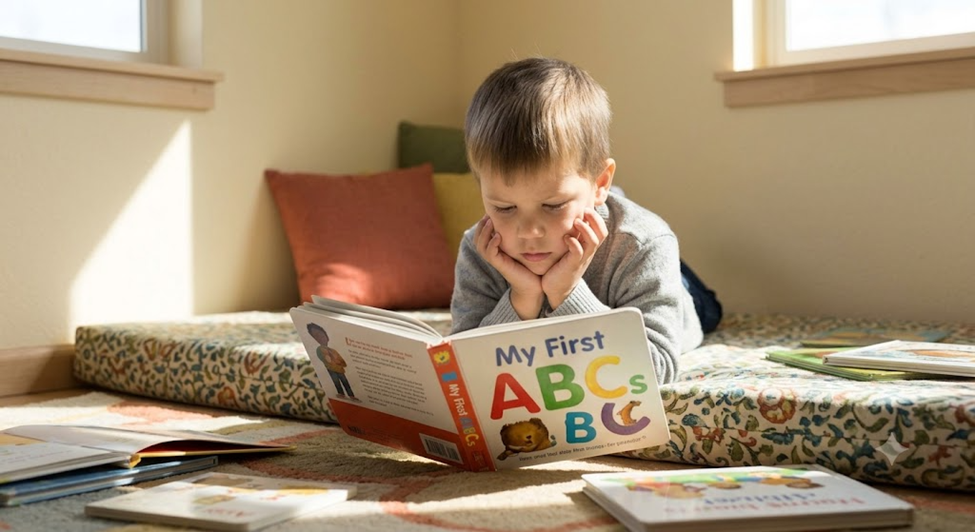
- Read aloud every day — even 10–15 minutes makes a measurable difference. Ask questions like, “What do you think happens next?” to build comprehension.
- Play rhyming games — “Cat, bat, hat — can you think of another one?” Rhyming builds phonemic awareness, a key pre-reading skill.
- Sing the alphabet song and then point out letters on cereal boxes, road signs, and books.
- Set up a “word wall” — put sticky notes with simple words around the house (door, chair, fridge). Kids absorb labels naturally.
- Tell stories together — take turns adding one sentence to a made-up story. This builds vocabulary and listening skills at the same time.
- Trace letters in sand or shaving cream — multisensory learning helps letter recognition stick.
The goal at this stage isn’t reading fluency. It’s building a love of language and a familiarity with print.
Math and Number School Readiness Activities for Kids
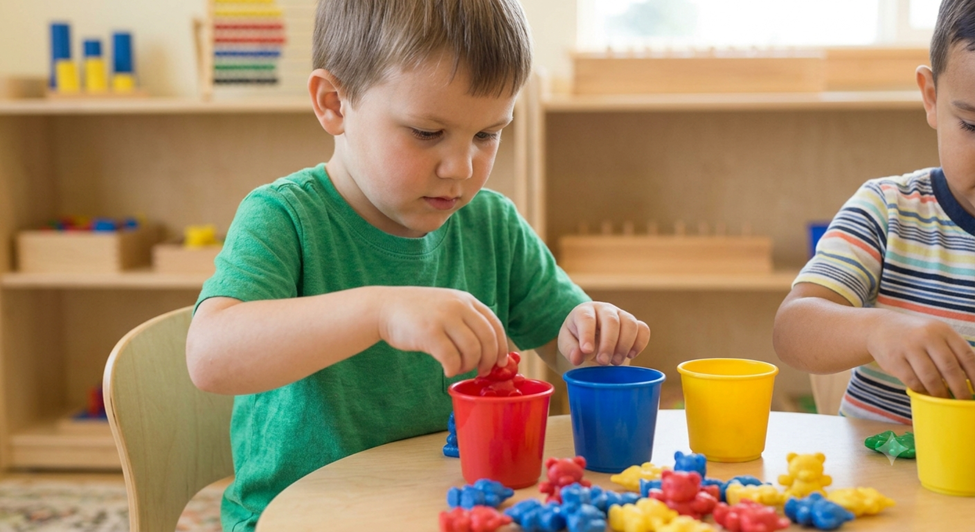
Counting to 10 is great. But early math readiness goes much deeper — it includes pattern recognition, understanding size and quantity, and basic problem-solving.
The best part? Math is everywhere in a child’s day.
Easy math-building activities at home:
- Count during daily routines — stairs, bites of food, steps to the car. Make it playful.
- Sort toys by color, shape, or size — sorting is a foundational math skill that preschoolers genuinely enjoy.
- Play simple board games like Snakes and Ladders or Candy Land — these teach number sequencing and turn-taking.
- Cook together — measuring cups, counting eggs, and dividing portions are all real-world math.
- Use puzzles — they develop spatial reasoning and problem-solving in a hands-on way.
- Compare sizes — “Which apple is bigger?” “Which pile has more blocks?” These comparisons build early number sense.
Number recognition (knowing what “5” looks like) and number sense (understanding what “5” means) are both important. Activities that combine the two work best.
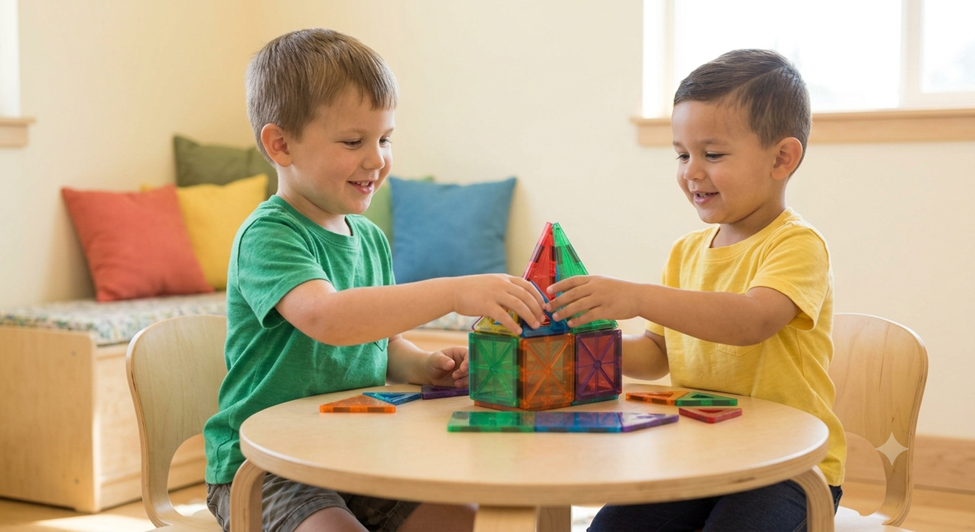
Social and Emotional School Readiness Activities for Kids
Here’s what most parents underestimate: a child’s social and emotional readiness matters just as much — often more — than academic skills in the early school years.
Teachers consistently say that kids who struggle most in kindergarten aren’t usually behind academically. They’re the ones who can’t manage frustration, don’t know how to make friends, or fall apart when things don’t go their way.
Activities that build emotional readiness:
- Role-play school scenarios — practice lining up, raising hands, and asking for help. Making it a game removes the anxiety.
- Name emotions regularly — “You seem frustrated. Is that right?” Emotional vocabulary helps kids self-regulate.
- Arrange playdates — unstructured play with peers is where kids learn negotiation, conflict resolution, and cooperation.
- Practice waiting — use a timer. “We’ll have a snack in 5 minutes.” Learning to wait without melting down is a huge classroom skill.
- Read books about feelings — titles like The Feelings Book by Todd Parr or In My Heart by Jo Witek make emotional conversations accessible.
- Encourage independence at home — let kids dress themselves, pack their own bag, and pour their own drink. Self-sufficiency builds confidence.
If your child tends toward anxiety, the transition to school can feel big. Normalize it. Talk about school positively. Visit the school building beforehand if possible. Familiarity reduces fear.
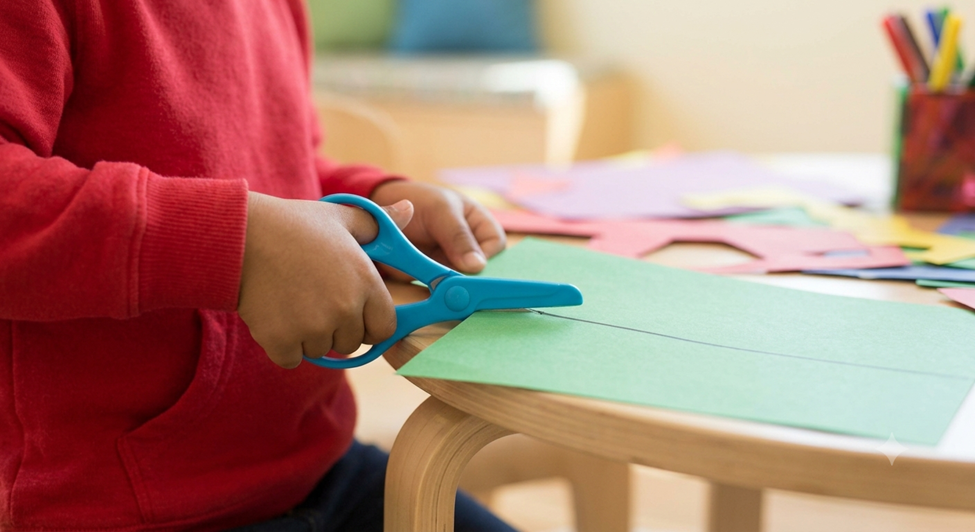
Fine Motor School Readiness Activities for Kids
Fine motor skills — the small muscle movements in the hands and fingers — are essential for writing, cutting, buttoning, and a dozen other classroom tasks. Many children arrive at school without adequate fine motor development, and it holds them back.
The good news is that building these skills is genuinely fun.
Fine motor activities that work:
- Play with playdough — rolling, squeezing, pinching, and poking all strengthen hand muscles.
- Use child-safe scissors — practice cutting straight lines, then curves, then simple shapes.
- String beads or pasta — threading builds hand-eye coordination and pincer grip.
- Draw, color, and paint freely — don’t worry about staying in the lines. The grip and control come from practice.
- Do puzzles — the manipulation of small pieces builds precision.
- Use tweezers to pick up small objects like pompoms or dried beans — it’s surprisingly effective (and kids love it).
- Practice buttoning, zipping, and snapping on real clothes or a dressing frame.
A proper pencil grip develops over time. Don’t force it, but do offer chunky crayons and triangular pencils early — they naturally encourage a better grip.
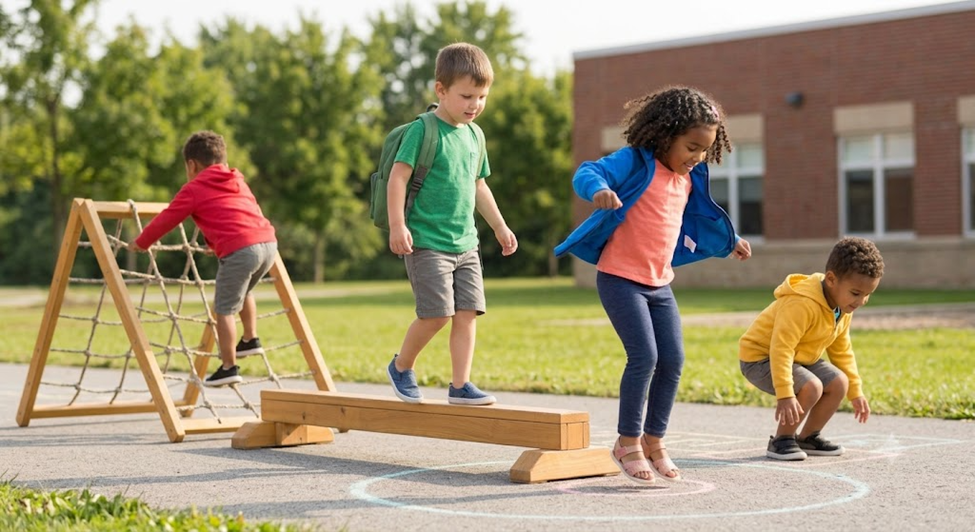
Gross Motor and Physical School Readiness Activities for Kids
We sometimes forget that physical readiness is part of school readiness too. Children need to be able to sit in a chair, carry a backpack, manage stairs, use playground equipment, and stay physically active throughout the school day.
Gross motor activities to include:
- Obstacle courses in the backyard or living room — crawling, jumping, balancing, and climbing all matter.
- Hopscotch and skipping — these build coordination and body awareness.
- Balancing games — walking along a line of tape, balancing on one foot, or tiptoeing.
- Ball play — catching, throwing, and kicking develop coordination and spatial awareness.
- Dance and movement games like “Freeze Dance” or “Simon Says” — these also build listening skills and impulse control.
- Swimming lessons — a bonus: they also build confidence and discipline.
Physical movement isn’t separate from learning. Research consistently shows that children who are physically active learn better, focus longer, and manage emotions more effectively.
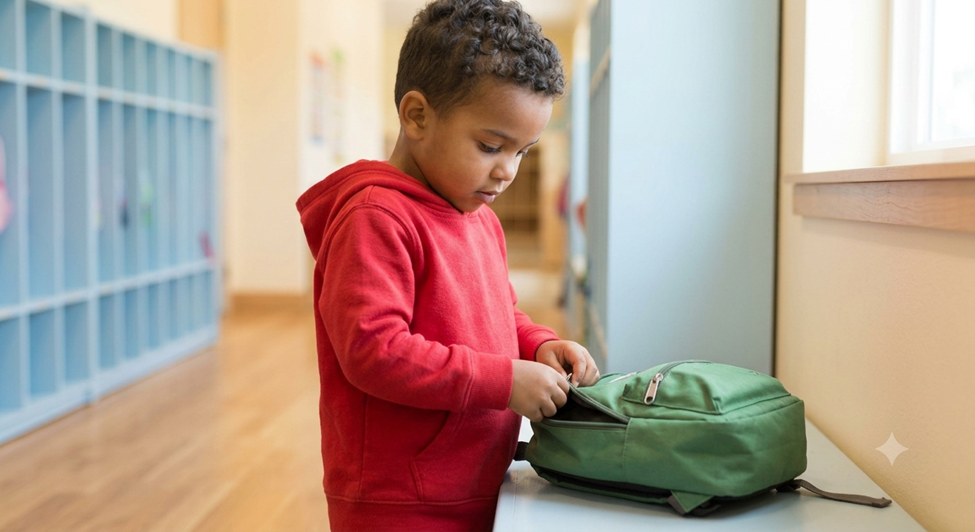
Independence and Self-Care School Readiness Activities for Kids
One thing that surprises new school parents: teachers simply don’t have time to button every coat, open every snack bag, or tie every shoe. Children who can manage basic self-care tasks have a much smoother experience.
Self-care skills to practice before school starts:
- Toileting independently — going to the bathroom without help, flushing, and washing hands properly
- Dressing and undressing — including managing buttons, zippers, and shoes (Velcro is fine for early kindergarten)
- Opening lunch containers — practice with the actual lunchbox you plan to send
- Blowing their nose and disposing of the tissue
- Packing and unpacking a school bag
- Knowing their full name, parent’s name, and how to ask for help
Make these part of your daily routine now. Kids rise to expectations when given the chance to practice.
Language and Communication School Readiness Activities for Kids
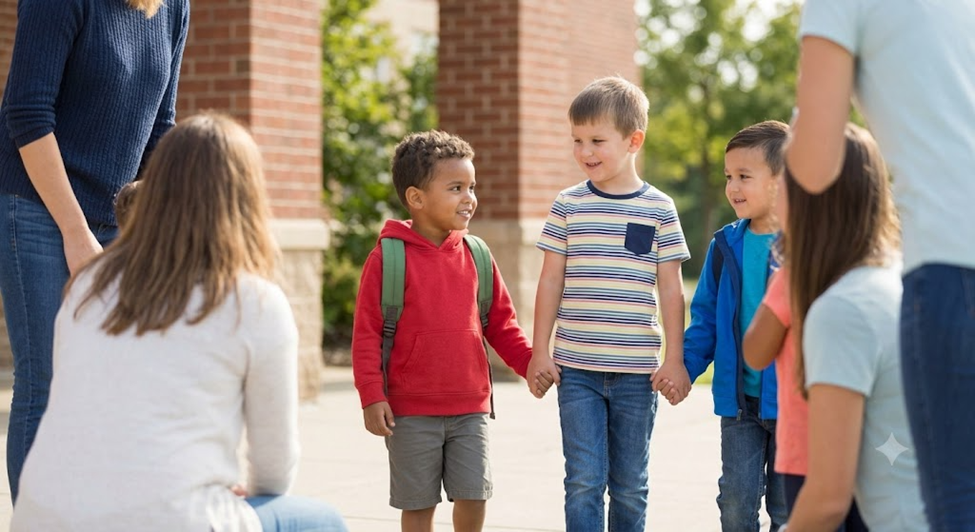
Children who can express themselves clearly — and listen when others speak — have a natural advantage in the classroom. Communication skills affect everything from following instructions to making friends.
Activities that build language and communication:
- Have real conversations at meals — ask open-ended questions: “What was the best part of your day?” not just “Was your day good?” https://meblogger.com/speech-language-development-in-early-years/
- Play “telephone” or other listening games to develop auditory attention.
- Encourage your child to ask questions — curiosity and the ability to ask for clarification are huge classroom assets.
- Read books and discuss them — “Why do you think the character did that?”
- Limit passive screen time — replace some TV time with audiobooks, podcasts for kids, or interactive storytelling apps.
- Expand vocabulary naturally — use real words, not dumbed-down ones. Kids absorb more than we think.
If you have concerns about speech delays, now is the right time to speak with a pediatrician or speech-language pathologist. Early intervention makes a significant difference.
How to Build a School Readiness Routine at Home
You don’t need to turn your home into a preschool. The key is consistency, not intensity.
Here’s a simple daily framework that naturally incorporates school readiness activities for kids:
Morning:
- Let your child dress themselves (even if it takes longer)
- Practice their name-writing on a whiteboard or notebook
- Read one short book together
During the day:
- Incorporate counting, sorting, or measuring into whatever you’re doing
- Allow unstructured play — it builds creativity and problem-solving
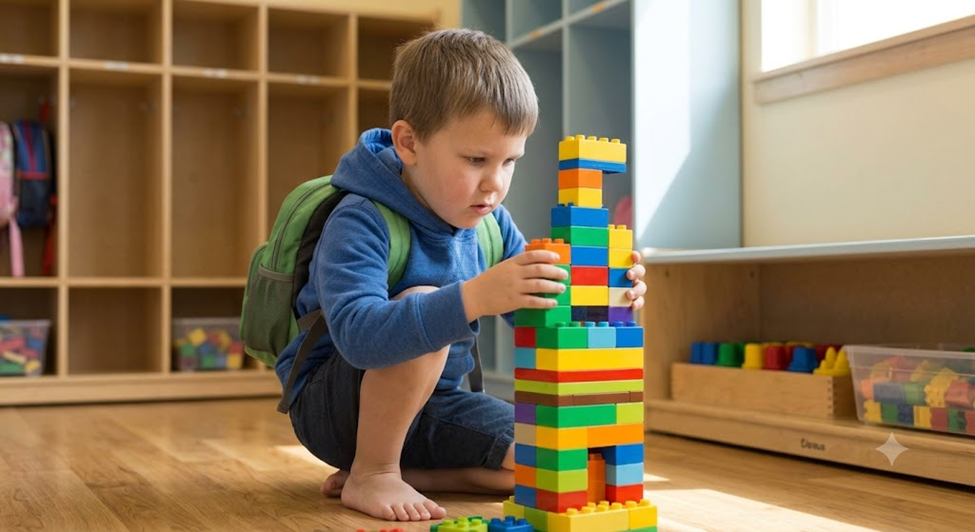
- Limit screens; encourage drawing, building, or imaginative play
Evening:
- Read aloud before bed — this is the single most impactful literacy habit
- Talk about tomorrow: “Tomorrow we’re going to the library. What books do you want to find?”
- Practice a self-care skill (laying out their own clothes, brushing teeth independently) https://www.twinkl.com.pk/teaching-wiki/school-readiness
Weekly:
- Arrange at least one peer interaction (playdate, park, class)
- Do one craft or hands-on project that involves cutting, gluing, or building
Small, consistent habits compound. By the time school starts, your child will have thousands of hours of readiness-building under their belt — without a single worksheet.
Signs Your Child Is Developmentally Ready for School
Every child develops at their own pace. But here are some positive indicators that your child is heading in the right direction:
- ✅ Can focus on a single activity for 5–10 minutes
- ✅ Follows 2–3 step instructions
- ✅ Manages basic toileting independently
- ✅ Can separate from you without prolonged distress
- ✅ Shows interest in books, letters, or numbers
- ✅ Plays cooperatively with other children (sometimes)
- ✅ Can express needs and feelings in words
If several of these aren’t in place yet, that’s okay. Use the activities in this guide to gently work toward them — and speak with your child’s pediatrician if you have specific concerns.
Final Thoughts: School Readiness Is a Journey, Not a Checklist
The pressure parents feel to “prepare” their children for school can be overwhelming. But the most important thing you can give your child isn’t a head start on phonics or multiplication tables.
It’s confidence. Curiosity. A sense of security. And the belief that learning is something joyful — not something to be afraid of.
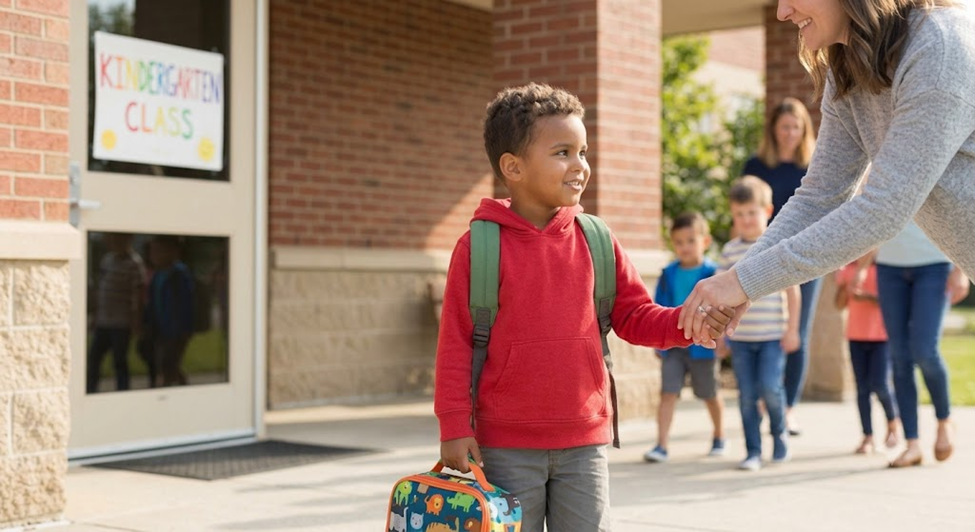
The school readiness activities for kids in this guide aren’t designed to turn your home into a classroom. They’re designed to enrich the childhood your child is already living — through play, conversation, love, and the ordinary magic of daily life.
Start small. Be consistent. And trust that you are already doing more than you realize.