
Explore 35 Gross Motor Skills Activities for Preschoolers that are fun and easy to do indoors or outdoors perfect for early childhood development
Watching your child grow is a magical journey, and physical movement plays a vital role in that development. By incorporating simple, daily movement, you help build a strong foundation for their future health. Our guide features 35 engaging Gross Motor Skills Activities for Preschoolers that turn exercise into pure joy.
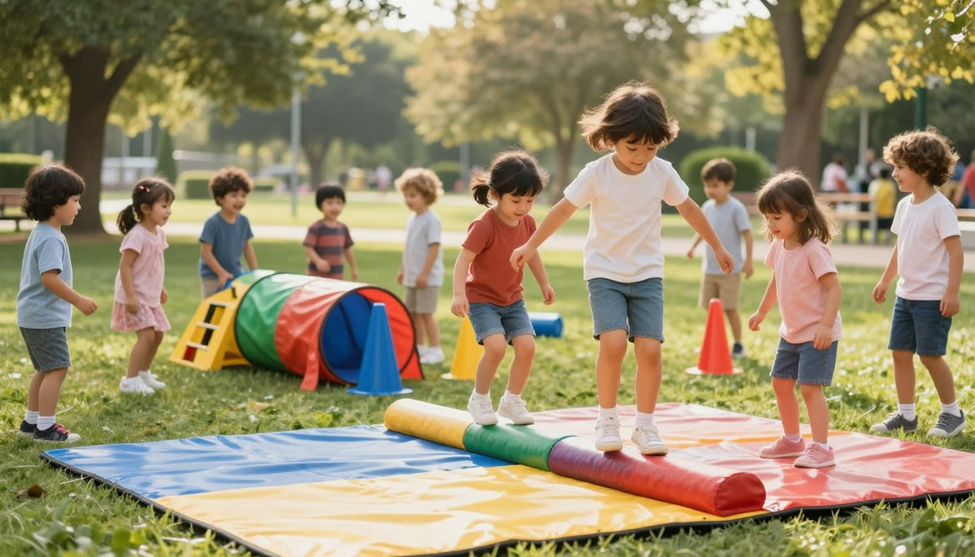
Whether you are stuck inside on a rainy day or enjoying the sunshine outdoors, these ideas keep little ones moving. You do not need expensive equipment to foster healthy growth and coordination. With just a few household items, you can create an environment where your child thrives through active play.
Key Takeaways
- Physical movement is essential for early childhood development.
- Simple games can be easily integrated into your daily routine.
- Indoor and outdoor play options ensure kids stay active year-round.
- No special equipment is required to boost coordination and strength.
- Consistent movement supports long-term health and confidence.
Why Gross Motor Skills Activities for Preschoolers Matter
Movement is the primary language through which preschoolers explore and understand their world. When children engage in gross motor activities for kids, they are doing far more than just playing; they are laying the foundation for healthy physical development. These early experiences help wire the brain for complex tasks later in life.
The Role of Physical Play in Early Development
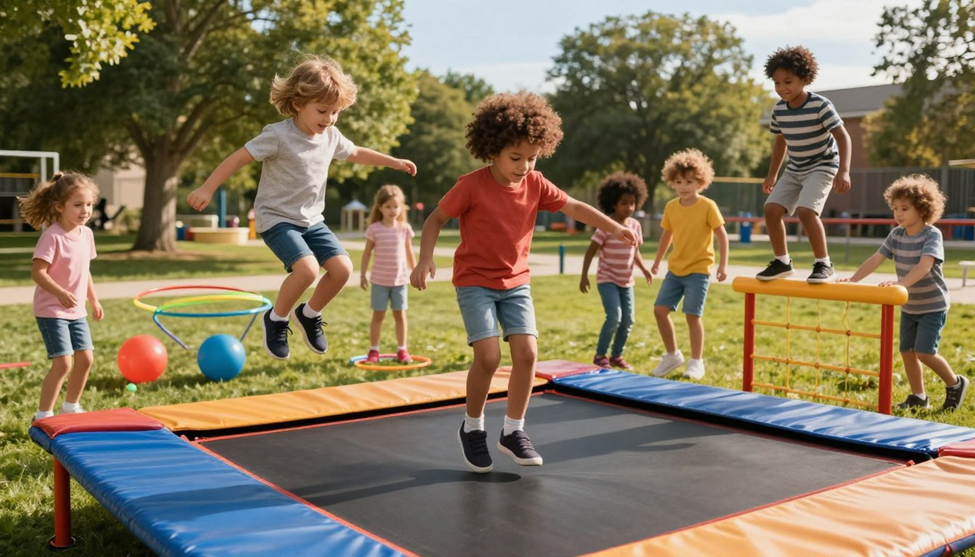
Active play acts as a catalyst for growth during the preschool years. By participating in various gross motor development activities, children learn to navigate their environment with increasing precision. This constant interaction with their surroundings helps them refine their spatial awareness and sensory processing skills.
When children run, jump, or climb, they are actively practicing how to control their limbs. This practice is essential for building the confidence needed to tackle new challenges. Consistent movement ensures that children remain engaged with the world around them while fostering a lifelong love for being active.
Key Benefits of Building Core Strength and Coordination
Focusing on gross motor skills games provides significant advantages for a child’s long-term health. A primary goal of these exercises is to improve core strength, which is vital for maintaining proper posture while sitting or standing. Stronger muscles allow children to participate in classroom activities and sports with greater ease.
Beyond physical stamina, these activities improve coordination and balance. Children who develop these skills early often show better focus and academic readiness. The following table highlights how specific physical milestones contribute to overall growth:
| Skill Category | Primary Benefit | Developmental Impact |
| Core Stability | Improved Posture | Supports sitting and focus |
| Bilateral Coordination | Brain Integration | Helps with reading and writing |
| Spatial Awareness | Safety and Navigation | Reduces accidental falls |
| Muscle Endurance | Long-term Health | Promotes active lifestyle habits |
Indoor Gross Motor Activities for Rainy Days
When the clouds roll in, your home can quickly transform into an exciting hub for physical movement. You do not need a backyard to keep your little ones moving and healthy. Engaging in indoor gross motor activities helps children burn off extra energy while they refine their coordination and strength in a safe environment.
Living Room Obstacle Courses
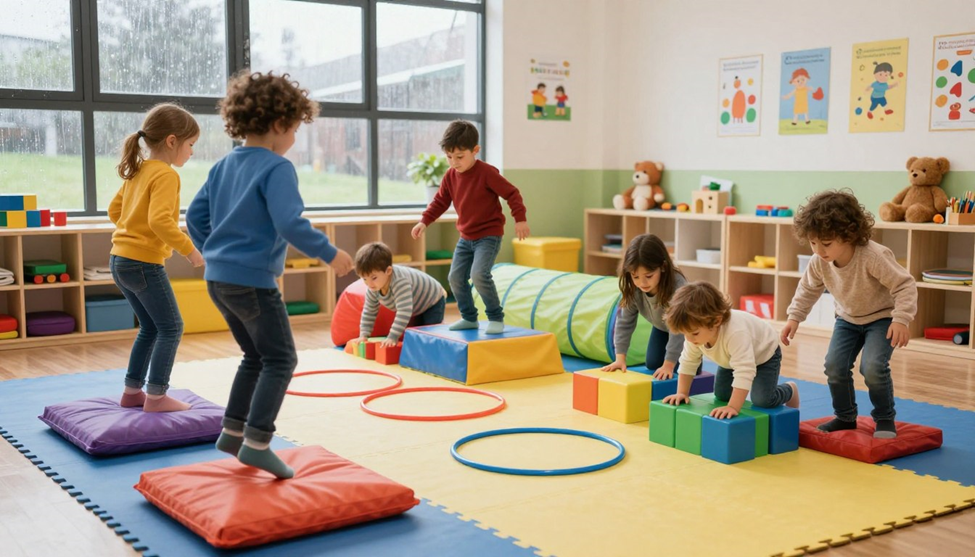
Creating a custom course is one of the most fun gross motor activities you can organize. Use couch cushions as stepping stones, chairs as tunnels, and blankets as bridges. This setup encourages children to crawl, jump, and balance as they navigate the room.
Balloon Volleyball and Keep-It-Up
A simple balloon is a fantastic tool for active play. By keeping the balloon off the floor, children practice their hand-eye coordination and spatial awareness. It is a gentle way to get their heart rates up without the risk of breaking household items.
Painter’s Tape Balance Beams
Painter’s tape is a parent’s best friend for indoor fun. Simply stick a long line of tape on the carpet or hardwood floor to create a balance beam. Challenge your child to walk heel-to-toe along the line to improve their stability and focus.
Indoor Pillow Mountain Climbing
Turn your living room into a rugged landscape by stacking pillows and cushions into a soft mountain. Climbing over these obstacles builds core strength and confidence. Always ensure the area is clear of sharp corners to keep the play session safe.
Animal Walk Races
Encourage your children to move like their favorite creatures to build muscle tone. Whether they are hopping like frogs, waddling like ducks, or creeping like bears, these movements are excellent for overall body control. You can even set up a finish line to add a bit of friendly competition.
| Activity | Primary Benefit | Difficulty Level |
| Obstacle Course | Full Body Coordination | Medium |
| Balloon Volleyball | Hand-Eye Coordination | Easy |
| Tape Balance Beam | Balance and Focus | Easy |
| Pillow Climbing | Core Strength | Medium |
| Animal Walks | Muscle Development | Easy |
Outdoor Gross Motor Activities for High Energy
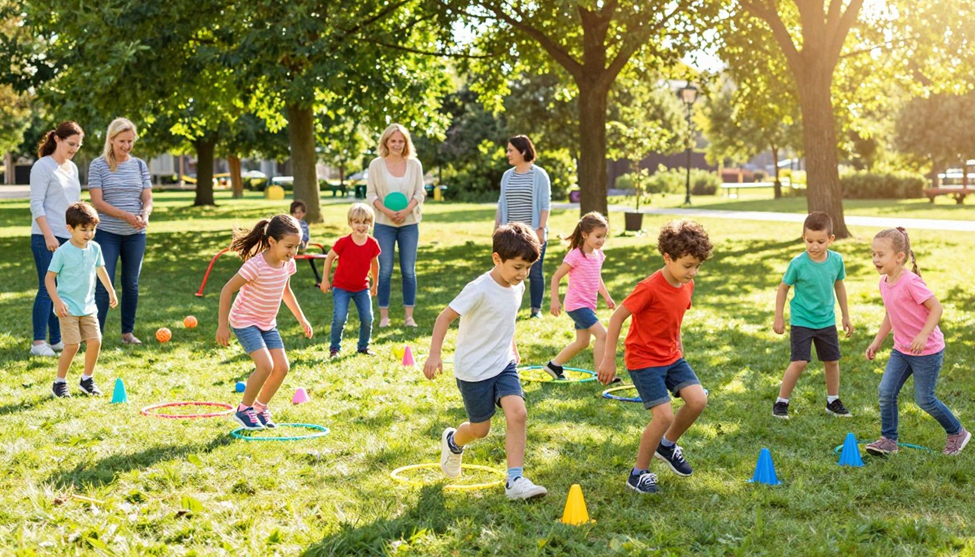
Engaging in outdoor gross motor activities allows preschoolers to master complex movements in a wide-open space. When children have room to roam, they naturally push their physical limits and refine their coordination. These expansive environments turn a standard afternoon into a productive session of physical exercise that builds both stamina and confidence.
Classic Backyard Tag and Chase Games
Tag remains the gold standard for high-energy play. It encourages children to practice running at varying speeds while navigating around obstacles like trees or patio furniture. This simple game helps kids develop agility and quick reaction times as they dodge and weave to avoid being tagged.
Sidewalk Chalk Hopscotch Variations
You can easily transform your driveway into a movement laboratory using nothing but sidewalk chalk. By drawing non-traditional shapes or adding instructions like “spin” or “clap,” you challenge your child to plan their movements carefully. This activity is excellent for building balance and spatial awareness in a fun, visual way.
Nature Scavenger Hunt Obstacle Course
Combine exploration with physical movement by creating a nature-themed course. Ask your child to jump over a log, crawl under a low-hanging branch, and balance on a flat stone to find hidden items. This encourages them to interact with their environment while testing their physical limits.
“Play is the highest form of research.”
Albert Einstein
Red Light, Green Light Movement Challenges
This classic game is a fantastic tool for teaching impulse control alongside physical movement. When the leader calls out “Green Light,” children must practice running or skipping toward the finish line. The sudden “Red Light” command forces them to stop instantly, which requires significant core strength and body control.
Backyard Soccer and Kicking Drills
Introducing a ball into your outdoor routine is a great way to practice kicking accuracy and foot-eye coordination. You do not need a full-sized pitch to see results. Simply setting up two cones as a goal allows your child to focus on their aim and the force behind their movements.
Consistent practice with these games ensures that your child develops the physical foundation needed for more complex sports later on. By keeping the atmosphere light and encouraging, you foster a lifelong love for staying active outdoors.
Developing Balance and Stability Through Play
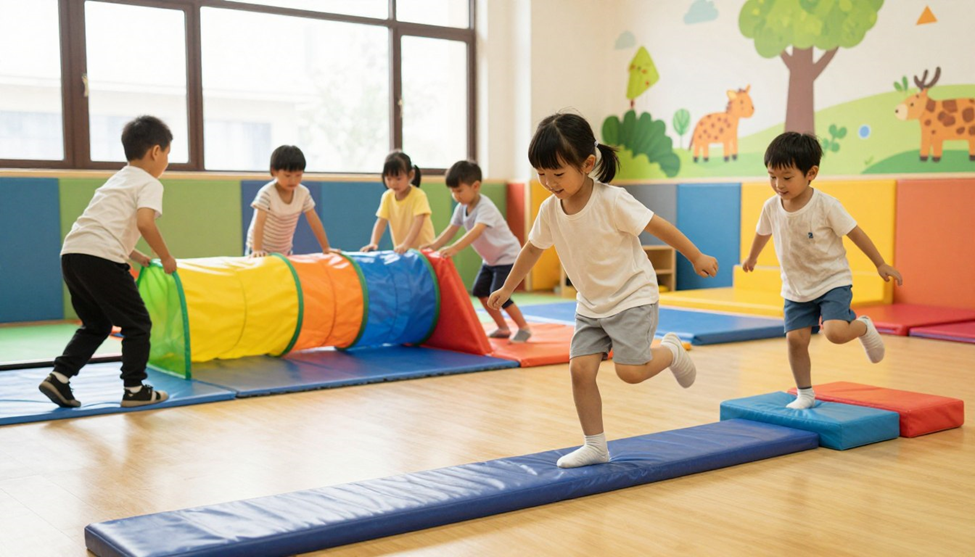
Mastering balance is a foundational milestone that every preschooler can achieve through playful movement. When children engage in movement activities for preschoolers, they naturally strengthen the muscles required for coordination and posture. These exercises provide a solid base for more complex physical tasks as they grow.
Yoga Poses for Little Bodies
Yoga is a fantastic way to introduce physical activities for preschoolers that focus on both strength and flexibility. Simple poses like the “Tree Pose” or “Cat-Cow” encourage children to hold their bodies steady while breathing deeply. These poses help them learn how to shift their weight safely and effectively.
Walking the Line with Bean Bags
To improve dynamic balance, try placing a strip of painter’s tape on the floor in a straight or zigzag line. Challenge your child to walk along the tape while balancing a bean bag on their head. This simple game forces them to focus on their posture and core engagement to keep the object from falling.
Single-Leg Standing Challenges
Standing on one leg is a classic test of stability that builds ankle strength and focus. You can turn this into a game by seeing who can hold their “flamingo pose” the longest while counting out loud. Consistency is key, so encourage your child to practice this for a few minutes each day to see steady improvement.
Freeze Dance for Body Control
Freeze dance is an excellent tool for developing body control and spatial awareness. When the music stops, children must instantly stop their movement and hold their current position. This requires them to engage their muscles quickly and maintain their center of gravity, making it a highly effective exercise for young learners.
Jumping and Hopping Skills for Kindergarten Readiness
Kindergarten readiness starts with the simple, joyful act of jumping and hopping. These movements are more than just play; they are essential large motor activities that build the leg power and balance needed for a classroom environment. By practicing these skills, children gain the physical confidence required to navigate playground equipment and organized sports with ease.
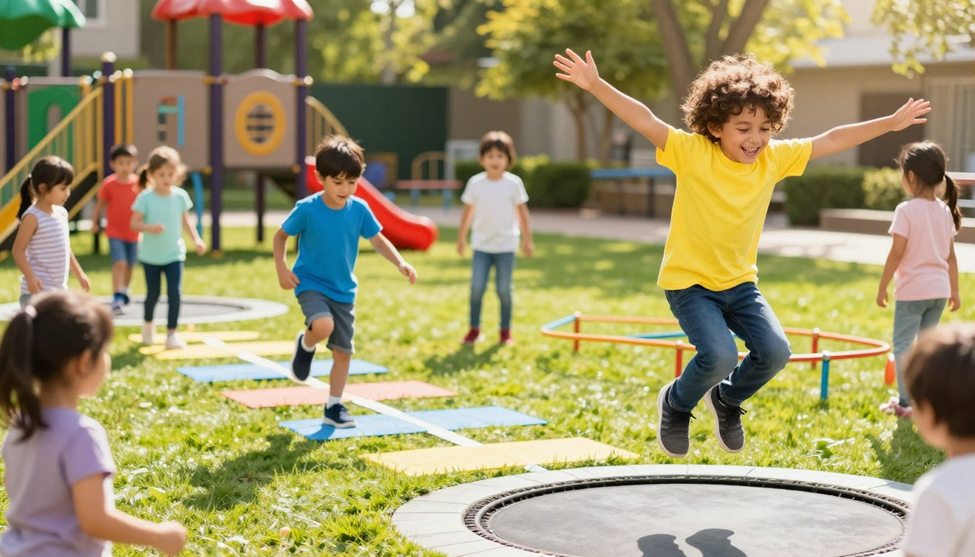
We offer a variety of gross motor exercises for children that turn basic movement into a fun, game-based learning experience. These activities help refine coordination and spatial awareness in a supportive way.
Frog Jump Contests
Encourage your child to squat low and leap forward like a frog. This exercise is excellent for building explosive leg strength and teaching children how to land safely on both feet. You can mark distances on the floor to see how far they can jump, turning it into a friendly competition.
Hula Hoop Jumping Games
Place several hula hoops on the ground in a line or a scattered pattern. Challenge your child to jump into each hoop without touching the edges. This activity improves precision and helps children learn to control their bodies during mid-air transitions.
Jump Rope Basics for Beginners
Start by laying the rope flat on the ground and having your child jump over it from side to side. Once they master this, introduce a slow, rhythmic swing to help them time their jumps. This foundational practice is perfect for developing rhythm and timing.
Puddle Jumping Simulations
Use blue construction paper or felt circles to create “puddles” around the room. Ask your child to hop from one puddle to the next, ensuring they land firmly on each one. This game builds stability and encourages children to look where they are going before they leap.
| Activity | Primary Skill | Difficulty Level |
| Frog Jumps | Leg Power | Beginner |
| Hula Hoop Jumps | Precision | Intermediate |
| Jump Rope | Rhythm | Advanced |
| Puddle Hopping | Balance | Beginner |
Building Strength Through Crawling and Climbing
You can easily boost your child’s physical development by turning everyday play into a strength-building workout. These gross motor play ideas focus on natural movements that challenge a child’s physical limits. By practicing these gross motor skills examples, your little one will develop the endurance needed for more complex activities.
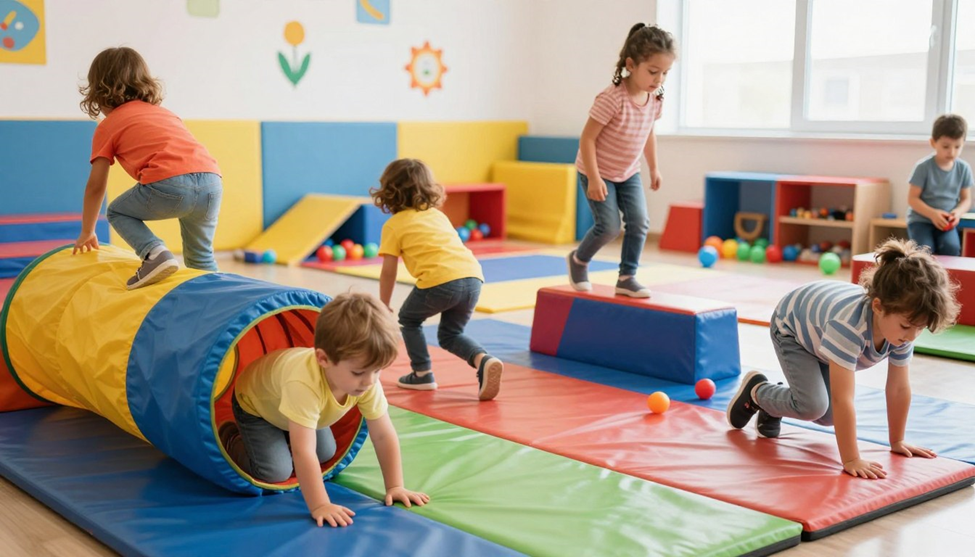
Tunnel Crawling Adventures
Crawling is a fantastic way to build coordination and core stability. You can create a simple tunnel using cardboard boxes or a pop-up fabric tunnel from a toy store.
Encourage your child to navigate through the tunnel to retrieve a favorite toy. This activity strengthens the shoulders and hips while keeping them fully engaged in the game.
Blanket Fort Exploration
Transform your living room into a maze by draping blankets over chairs and sofas. This creates a cozy, enclosed space that requires children to crawl, duck, and maneuver their bodies.
Navigating these tight spaces helps children learn spatial awareness. It is a fun and creative way to build confidence while moving through different levels.
Safe Climbing at the Local Playground
Climbing is a vital skill that helps children understand their own reach and grip strength. Visit a local playground with age-appropriate structures like low ladders or small rock walls.
Always supervise your child closely to ensure they feel secure. Building muscle strength through climbing allows them to test their limits in a controlled, outdoor environment.
Bear Crawl Races
The bear crawl is a classic movement that requires significant effort from both the arms and legs. Have your child walk on their hands and feet like a bear across the grass or a carpeted floor.
You can turn this into a race to keep the energy high and the motivation strong. This exercise is incredibly effective for developing overall body control and lasting physical power.
Coordination Games for Throwing and Catching
Mastering the art of throwing and catching helps children gain confidence in their physical abilities. These movements are essential components of both toddler gross motor activities and more advanced kindergarten gross motor activities. By practicing these skills, children learn to track moving objects and coordinate their limbs with greater precision.
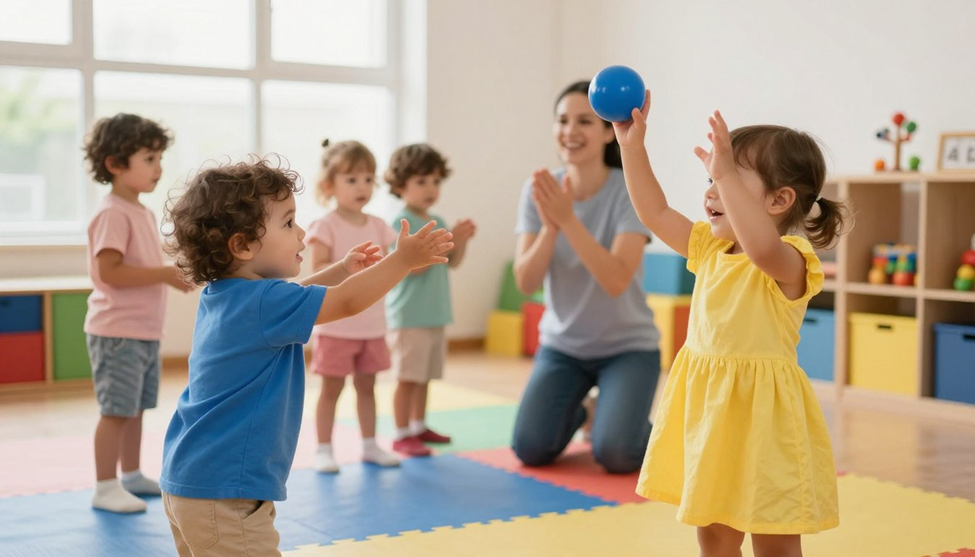
Soft Ball Toss into Laundry Baskets
Setting up a simple toss game is a fantastic way to introduce the basics of throwing. Place a laundry basket a few feet away and encourage your child to aim their soft balls into the center. This activity helps them gauge distance and force while keeping the environment safe and quiet.
Balloon Tennis with Paper Plates
When you want to practice catching and tracking without the risk of broken lamps, balloons are your best friend. Attach a popsicle stick to a paper plate to create a lightweight paddle. This game forces children to move their bodies quickly to keep the balloon in the air, which is excellent for developing reaction times.
Bean Bag Target Practice
Bean bags are easier for little hands to grip than standard balls. You can draw targets on the floor with painter’s tape or use hula hoops as landing zones. This exercise builds focus and control, as children must learn to release the bean bag at the right moment to hit their mark.
Rolling and Bowling with Recycled Bottles
Bowling is a classic way to refine aim and follow-through. Save empty plastic water bottles and set them up in a triangle formation at the end of a hallway. Rolling a ball toward these targets teaches children how to align their bodies and apply the correct amount of energy to achieve a successful strike.
Bilateral Coordination and Motor Planning Exercises
When children learn to use both sides of their body in harmony, they unlock new levels of physical confidence. Bilateral coordination is the ability to use the left and right sides of the body together in a smooth, controlled manner. This skill is vital for complex movement skills, such as writing, cutting with scissors, or riding a bike.
By engaging in specific gross motor coordination activities, you help your child’s brain plan and execute movements more effectively. These exercises challenge the nervous system to synchronize limbs, which builds a strong foundation for future physical success.
Ribbon Wand Dancing
Ribbon dancing is a fantastic way to encourage fluid, two-handed movement. Give your child a ribbon wand in each hand and play some upbeat music. Encourage them to make large circles, figure-eights, or wavy lines in the air simultaneously with both arms.
Simon Says Movement Variations
This classic game is perfect for testing coordination and listening skills. Add complex instructions like “Simon says touch your left knee with your right hand” or “Simon says jump while clapping your hands.” These variations force the brain to process spatial information while moving.
“Play is the highest form of research.”
— Albert Einstein
Mirroring Games with a Partner
Mirroring requires a child to observe and replicate the movements of a partner in real-time. Stand facing your child and perform slow, deliberate motions like reaching overhead or swaying side to side. This activity sharpens their ability to plan their own body movements based on visual input.
Wheelbarrow Walks
Wheelbarrow walks are excellent for building upper body strength and core stability. Have your child place their hands on the floor while you hold their ankles, keeping their body straight. This weight-bearing exercise requires significant bilateral coordination to move the hands forward in a rhythmic, alternating pattern.
- Focus on rhythm: Keep movements steady and controlled.
- Encourage variety: Switch between fast and slow speeds.
- Keep it fun: Use music or storytelling to keep engagement high.
Conclusion
Active play serves as the cornerstone for healthy growth during the early years. Integrating these movement-based games into your daily schedule helps children gain the physical confidence they need to explore the world around them.
Consistent practice turns simple play into a powerful tool for development. You provide your child with the essential building blocks for strength, coordination, and balance by making these activities a regular part of your routine.
Start with small, manageable sessions that fit your family life. You might try a quick game of balloon volleyball or a short backyard obstacle course after dinner. These moments create lasting memories while supporting vital physical milestones.
Observe how your child gains mastery over their body through these varied challenges. Every jump, crawl, and throw contributes to their long-term health and well-being. Keep the energy high and the spirit of play alive in your home every single day.
FAQ
What are gross motor activities for kids and why are they essential for development?
Gross motor activities for kids involve movements that engage the large muscles of the body, such as the arms, legs, and torso. These gross motor development activities are vital because they help children build the core strength, balance, and body control necessary for everyday tasks. By participating in active play, preschoolers improve their physical development and gain the confidence needed to explore their environment safely.
What are some effective indoor gross motor activities for rainy days?
When you can’t head to the park, indoor gross motor activities can keep children moving. You can create a living room obstacle course using Scotch Painter’s Tape for balance beams and Pottery Barn Kids floor cushions for “mountain climbing.” Other fun gross motor activities include balloon volleyball or animal walk races, which help refine movement skills and build muscle strength without needing a lot of space.
How do outdoor gross motor activities help with high energy levels?
Outdoor gross motor activities allow children to practice running, jumping, and hopping in large open spaces. Classic gross motor skills games like Tag, Red Light, Green Light, or using Crayola Sidewalk Chalk for a custom hopscotch course are excellent for burning energy. These large motor activities also improve gross motor coordination activities as children learn to navigate uneven terrain and manage their speed.
Which physical activities for preschoolers help improve balance and coordination?
To enhance balance and coordination, you can introduce movement activities for preschoolers like Freeze Dance or basic yoga poses using a Gaiam mat. Activities such as walking the line while carrying a bean bag or playing Simon Says are fantastic for developing bilateral coordination and motor planning, ensuring children learn how to move both sides of their body in sync.
What are some gross motor play ideas for building upper body strength?
Crawling and climbing are the best gross motor play ideas for developing the upper body. You can set up a tunnel using a Little Tikes play tent or encourage bear crawl races across the lawn. At the local playground, using the monkey bars or climbing structures provides excellent gross motor exercises for children that specifically target muscle strength in the arms and shoulders.
Can you provide gross motor skills examples for kindergarten readiness?
Preparation for school involves mastering several kindergarten gross motor activities. Key gross motor skills examples include throwing and catching a ball, kicking a soccer ball toward a Franklin Sports goal, and successfully jumping with both feet. These physical activities for preschoolers ensure they have the hand-eye coordination and body control required for gym class and playground social play.
What are the best toddler gross motor activities for early learners?
For younger children, toddler gross motor activities should focus on foundational movements. Simple tasks like puddle jumping (real or simulated with blue paper), rolling a ball to a partner, or climbing over soft Nugget comfort blocks are perfect. These early gross motor coordination activities help toddlers understand their physical limits while building the core strength needed for more complex tasks later on.